biography

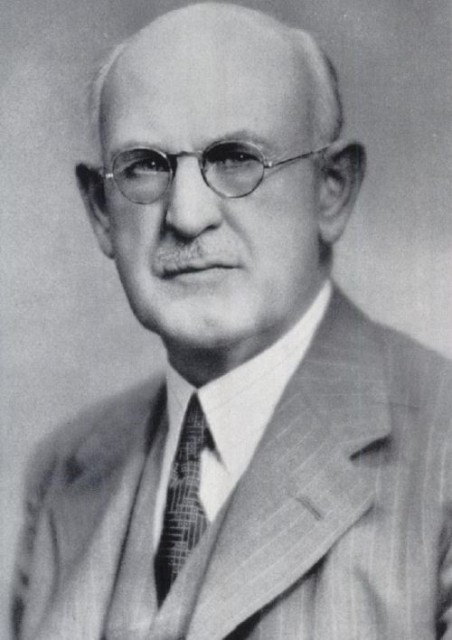
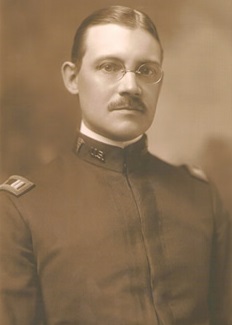
John R. Murlin (1874 – 1960)

John R. Murlin, Director of the Department of Vital Economics and a Professor of Physiology at the University of Rochester, helped start in 1928 the American Institute of Nutrition and the Journal of Nutrition, which he edited through its first 17 volumes.  Murlin volunteered for officer training during World War I and was assigned to …

John R. Murlin (1874 – 1960) Read More »

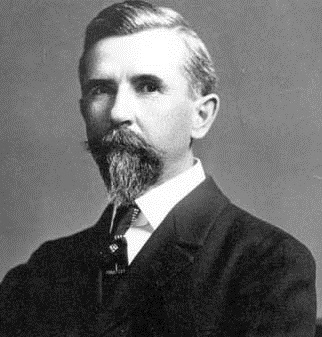
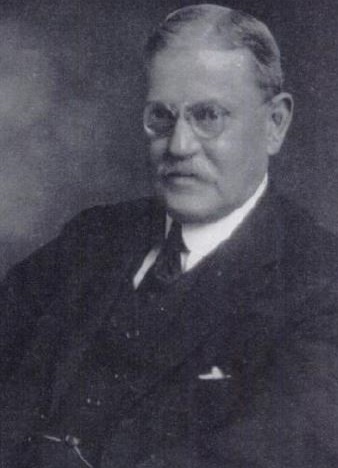
Edwin Bret Hart (1874 – 1953)

Edwin Bret Hart was chair of Agricultural Chemistry at the University of Wisconsin from 1906 to 1944.  His research primarily concerned the role of minerals in the general nutrition of animals and the role of vitamins and other organic nutrients in animal metabolism. He helped elucidate the role of iodine in preventing and controlling goiter …

Edwin Bret Hart (1874 – 1953) Read More »

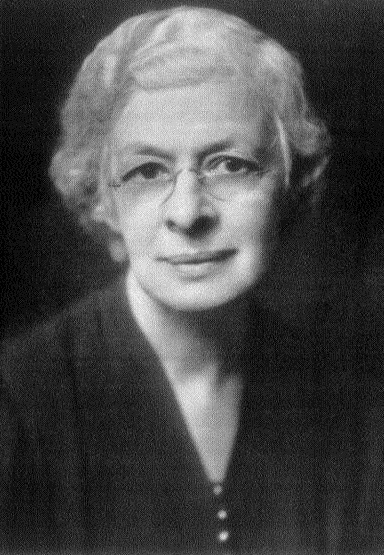
Mary Swartz Rose (1874 – 1941)

Mary Swartz Rose was a prominent American nutritionist during the first half of the 20th century at Columbia University Teachers College in New York City.  She wrote influential textbooks, such as Laboratory Handbook for Dietetics, first published in 1912, and three editions of The Foundations of Nutrition, as well as books for the general public, …

Mary Swartz Rose (1874 – 1941) Read More »

Harry Hollingworth (1880-1956)

Harry Hollingworth, a young Barnard College professor, conducted pioneering psychopharmacology research in 1911 into the effects of a food additive, caffeine, on behalf of the Coca-Cola Company, which was being sued by the federal government for adding an injurious ingredient to a food. 

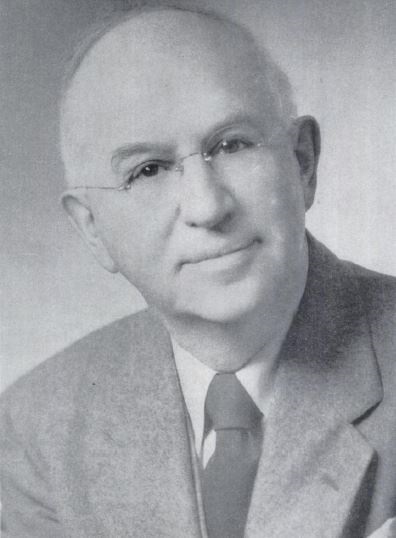
Elmer McCollum (1879-1967)

Elmer McCollum was a prominent American nutrition scientist of the first half of the 20th century, first at the University of Wisconsin in Madison and then at Johns Hopkins University in Baltimore.In 1908, McCollum started the first rat colony maintained for nutrition experiments in the United States, work which led to the discovery of vitamins …

Elmer McCollum (1879-1967) Read More »

Jim Joseph (1944-2010)

Joseph was director of the Neuroscience Laboratory at the USDA-ARS Human Nutrition Research Center on Aging at Tufts University.  One of his most significant findings was that diets supplemented with fruits, vegetables, and nuts could forestall or even reverse age-related declines in cognitive and motor function.

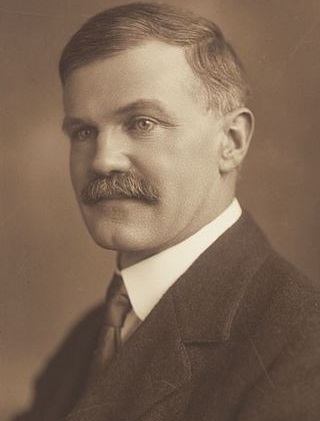
Stephen Babcock (1843 – 1931)

Babcock, an agricultural chemist at the University of Wisconsin from 1887 to 1913, is best known for inventing an easy way to measure the butterfat content of milk, called the Babcock test, which is still used throughout the world.  Babcock later helped conduct feeding studies of dairy cows that demonstrated nutritional differences among grains.

Edward B. Vedder (1878 – 1952)

Vedder was a career U.S. military physician who while stationed in the Philippines helped demonstrate that beriberi was a nutrient deficiency disease.  In 1913, he published Beriberi, his best known monograph.  On his return to the United States, he undertook research on scurvy.