histories

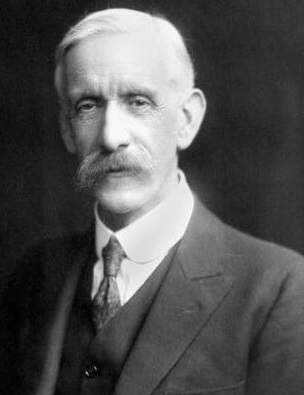
Nobel Prize speech in 1929 by Frederick Gowland Hopkins

Hopkins was awarded the 1929 Nobel Prize in Physiology or Medicine “for his discovery of the growth-stimulating vitamins.” Christiaan Eijkman shared the Prize “for his discovery of the antineuritic vitamin.” from Hopkins’ acceptance speech: “…Who was the “discoverer” of vitamins? This question has no clear answer. So often in the development of science, a fundamental …

Nobel Prize speech in 1929 by Frederick Gowland Hopkins Read More »
History of U.S. Iodine Fortification and Supplementation

by Angela M. Leung et al. Iodine is a micronutrient required for thyroid hormone production. This review highlights the history of the discovery of iodine and its uses, discusses the sources of iodine nutrition, and summarizes the current recommendations for iodine intake with a focus on women of childbearing age.

Specific dynamic action: history by Stephen M. Secor

For more than two centuries, scientists have observed and reported the increase in energy expenditure that occurs during meal digestion. From the minute copepod to the horse, this reported ‘‘cost of digestion’’ has been described, quantified, and experimentally investigated over a wide array of invertebrate and vertebrate taxa. Originally coined specific dynamic action (SDA) from …

Specific dynamic action: history by Stephen M. Secor Read More »

School Lunch Program history

On June 4, 1946, President Harry S. Truman signed the National School Lunch Act, which permanently authorized the National School Lunch Program (NSLP). The legislation was passed in response to concerns that “many American men had been rejected for World War II military service because of diet-related health problems.”  Its purpose was to provide a …

School Lunch Program history Read More »

Nutrition History: Part 4 (1945–1985) by Kenneth J. Carpenter

Because of the huge number of papers published from 1945 to 1985 (~250,000 were abstracted in Nutrition Abstracts and Reviews), I have restricted coverage in the first section of this paper to those dealing most directly with the discovery of new nutrients, the effects of deficiency and the interaction of other factors affecting their availability.

Infant Feeding in the 20th Century: Formula and Beikost by Samuel J. Fomon

ABSTRACT: The early years of the 20th century were notable for improvements in general sanitation, dairying practices and milk handling. Most infants were breast-fed, often with some formula feeding as well. Availability of the home icebox permitted safe storage of milk and infant formula, and by the 1920s, feeding of orange juice and cod liver …

Infant Feeding in the 20th Century: Formula and Beikost by Samuel J. Fomon Read More »